Seasons · Winter
Alta in January
January in Alta is deep winter: the coldest month, with snow-covered valleys and long, dark nights for the northern lights. The polar night ends around 17 January, when the sun returns for the first time since November, and by the end of the month you get almost five hours of sunlight. Here’s our editors’ guide to the weather, daylight, events and the best things to do in Alta in January.
At a glance
January in Alta in six facts
Temperature
Around −7 °C
The coldest month: days around −3 °C and nights around −10 °C. Most winters bring a few nights below −20 °C.
Daylight
The sun returns
The polar night ends around 17 January. By 31 January the sun is up for almost five hours a day.
Northern lights
Long, dark nights
Nights are still around 18 hours long, so you have plenty of time to look for the aurora.
Snow
Deep winter
Snow covers the town and the valleys, and every winter activity is running.
Wildlife
End of the whale season
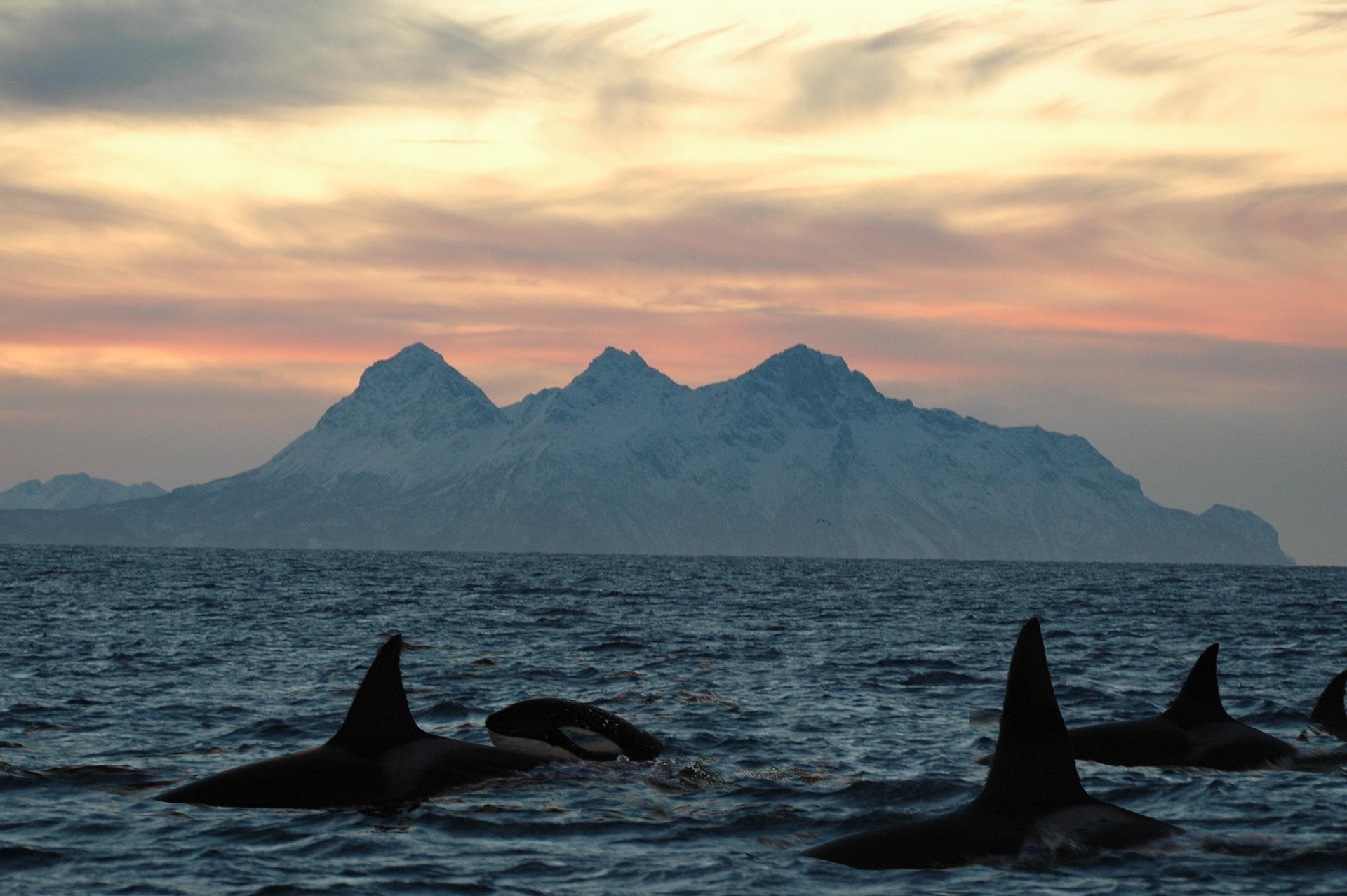
Whale season runs until January, so early in the month you can still look for orcas and humpbacks in the fjord.
Crowds
Calmer after New Year
Once the holidays are over, Alta is quieter than in February and March, and tours are often easier to book.
What is January like in Alta?
January is Alta at its most wintry. The valleys are deep in snow, the air is often crisp and dry, and the nights are long and dark. For the first half of the month the polar night continues, with a few hours of blue and pink twilight around midday.
Then, around 17 January, the sun peeks over the horizon for the first time since late November. Locals celebrate its return with solboller (sun buns) and hot chocolate, and from then on the days get noticeably longer: by the end of the month you get almost five hours of sunlight.
Weather and daylight in January
- Temperature: the 1991–2020 average is −6.8 °C, with days around −3 °C and nights around −10 °C. Most winters bring a few nights below −20 °C, and the record is −32 °C (January 1999).
- Snow: about 40 mm of precipitation over 10 days, almost all of it as snow. Snowfalls are frequent but usually light, thanks to Alta’s dry inland climate.
- Daylight: polar night until about 16 January. The first short sunrise comes around 17 January, and by 31 January the sun rises at about 09:20 and sets just after 14:00.
- Clear and cold: the coldest nights usually come with clear skies, which is also when the northern lights are easiest to see. Dress for it and go out.
What to do in Alta in January
January is the month for big winter adventures, cold-weather comfort and the first sunrise of the year. Our editors’ picks:
Watch the sun come back
- Where to look: around 17 January, look south around midday from an open spot with a low horizon, such as the shore of the Altafjord. In valleys surrounded by mountains, the sun shows up a few days later.
- Join the celebration: in late January, schools, workplaces and cafés mark the sun’s return with solboller, buns filled with vanilla cream, and hot chocolate.
Try something new on the snow
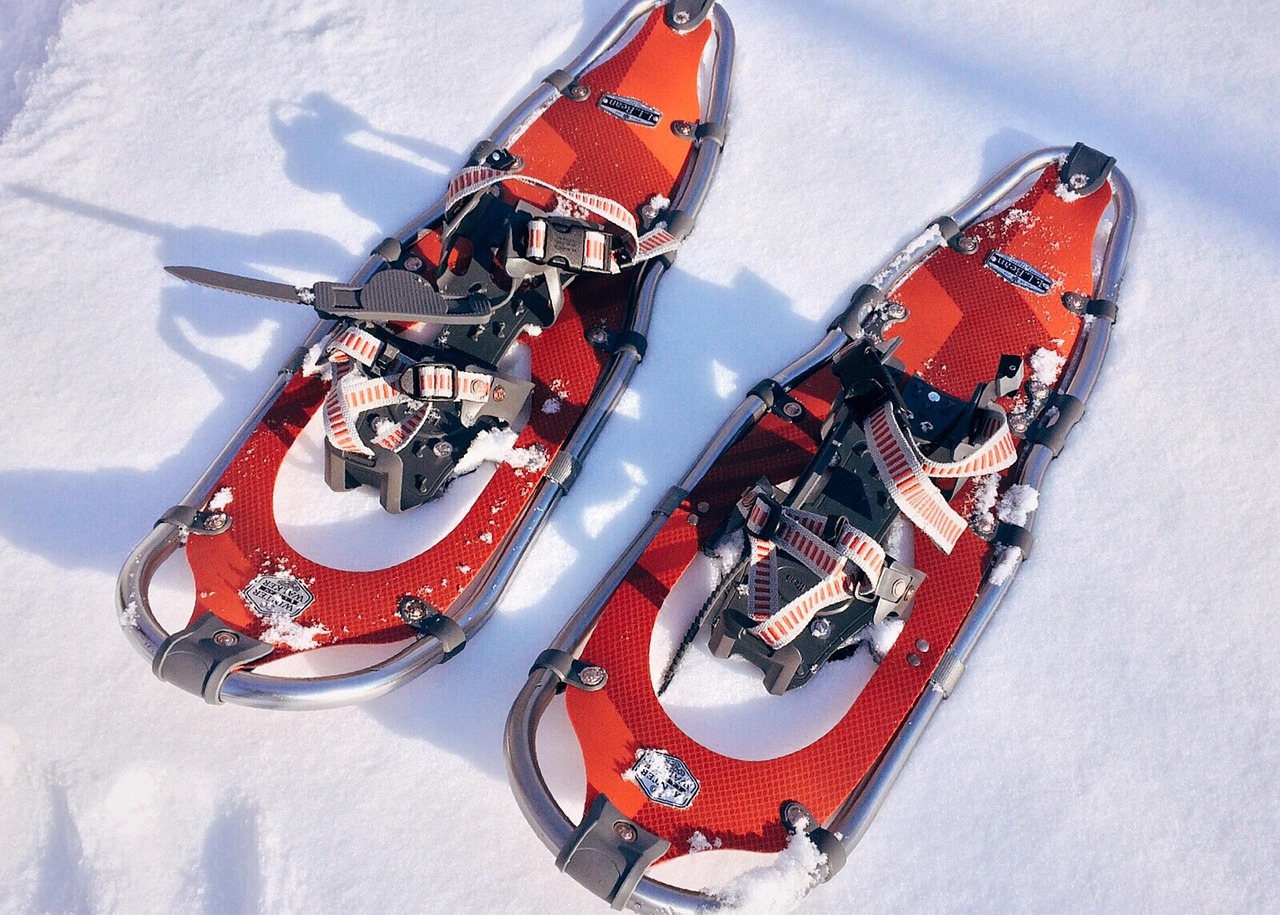
- Snowshoeing: a guided snowshoe hike to a frozen waterfall is a calm, quiet way to explore the winter forest, with coffee and snacks on the way.
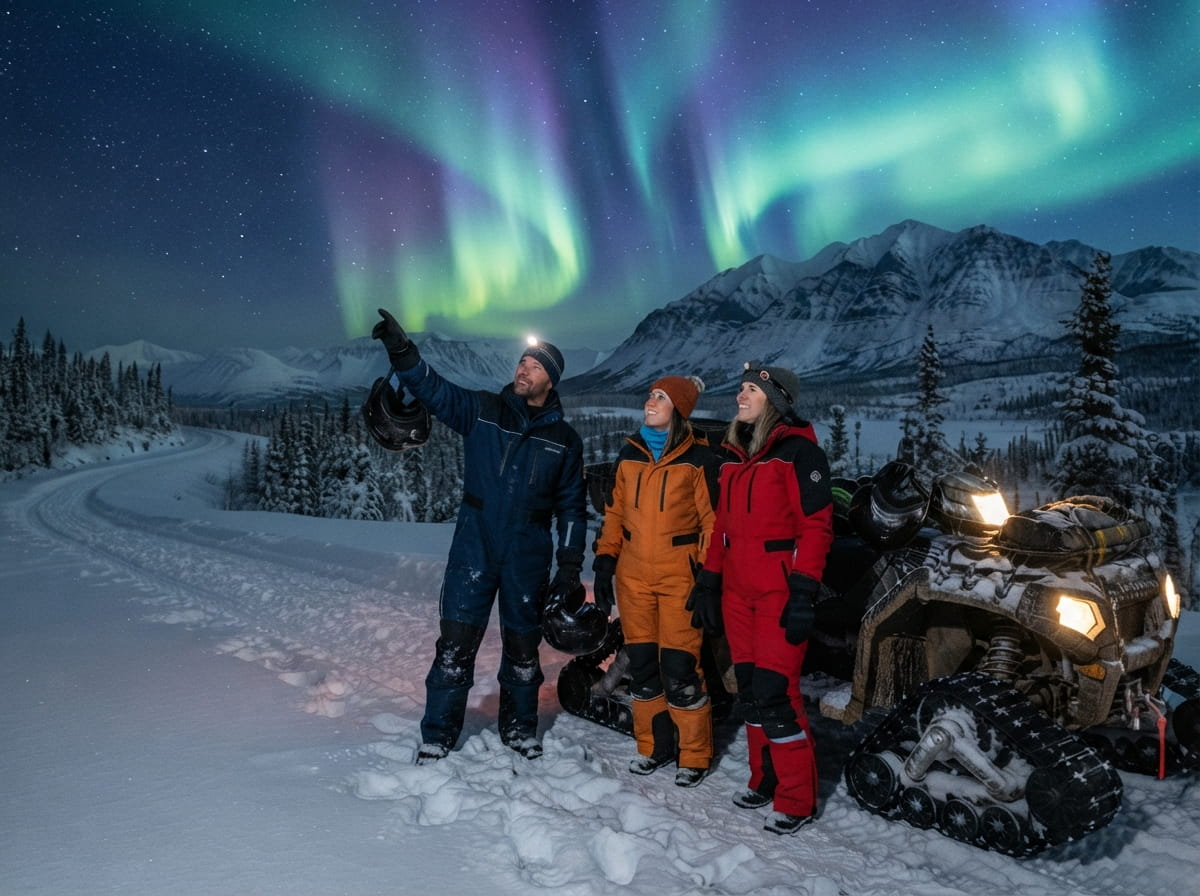
- Northern lights by quad: drive your own ATV into the Arctic night, with a guide looking for the aurora. Drivers need a car driving licence.
Warm up indoors
- Alta Museum: a good plan for the coldest days, with exhibitions on the 7,000-year-old rock art, Alta’s history and the northern lights. See Alta Museum.
- The Northern Lights Cathedral: step inside the spiral cathedral in the centre, with a small exhibition about the aurora in the basement. Check opening hours on the parish website.
- Café culture: do as the locals do and spend a cold afternoon over coffee and cake. Find our favourite cafés in where to eat and drink.
Our picks
Best tours in Alta in January
Selected by our editors for January. Most offer free cancellation up to 24 hours before, which helps if the weather changes.

December to early April · 4 hours
Dog sledding with lodge lunch
Drive your own husky team through the Gargia valley, then warm up with a hot meal, coffee and toddy at a historic mountain lodge.

Mid-November to early April · 4 hours
Daytime snowmobile adventure
A 4-hour trip with about two hours on the snowmobile, up the old postal road to the Finnmark plateau. Bring your car driving licence if you want to drive.

January evenings · 4 hours
Northern lights tour
A 4-hour small-group evening tour that follows the forecast to clear skies, with a campfire, hot chocolate and help with your photos.
Winter · 4 hours
Snowshoe hike to a frozen waterfall
A guided walk of about 4.5 km on snowshoes through the winter forest to a waterfall frozen into ice, with coffee and snacks along the way.

November to January · 4 hours
Whale watching
Look for orcas and humpbacks from a boat with a heated cabin and a toilet, with coffee, tea and cookies on board. Suitable for all ages.
Winter · Evenings · 5 hours
Northern lights hunt by ATV
Drive your own quad bike into the Arctic night in a small group, with a guide looking for the aurora. Warm overalls, helmet and gloves are included.
Looking for more ideas? See all things to do in Alta →
Events in January
January is a quiet month for events in Alta, but there’s one moment everyone looks forward to:
- 1 January: New Year’s Day is a public holiday, and most shops are closed.
- Around 17 January: the sun returns after the polar night. Look south around midday for the first, short sunrise, often with a pink glow over the snow.
- Sun celebrations: in late January, schools, workplaces and the university in Alta mark the sun’s return with solboller and hot chocolate.
- All month: mushers and their dogs are training for Finnmarksløpet, Europe’s longest sled dog race, which starts in Alta in early March. Read about Finnmarksløpet.
- Coming up: Sami Music Week fills Alta with concerts in the first week of February. See Alta in February.
Coping with the cold
- Dress in three layers: wool against the skin, a warm mid-layer and a windproof shell. Cotton gets damp and cold, so leave it at home.
- Protect your face and fingers: on very cold days, cover your cheeks and nose with a buff, and wear mittens over thin gloves.
- Keep your phone warm: batteries drain fast below −10 °C, so keep your phone in an inside pocket and bring a power bank.
- Check the forecast: Yr shows the temperature and the “feels like” temperature for Alta. Tours lend you thermal suits, but a windy day on the plateau feels much colder than in town.
Eating out in January
Cold days call for warm food. Try fish soup, bacalao, reindeer stew or king crab, and finish with coffee and a cinnamon bun.
Many restaurants in Alta only open in the afternoon, and several close on Sundays, so check opening hours before you go.
Why January is a smart choice
- Fewer people: after New Year, Alta is calmer than in February and March.
- Easier booking: popular small-group tours are less likely to be sold out.
- Long nights: around 18 hours of darkness in mid-January for the northern lights.
- On a budget? See our tips for budget travel in Alta.
Questions
Alta in January: FAQ
Yes, especially for the northern lights and snow activities. Nights are long, the snow is reliable and, after New Year, tours are easier to book. It’s the coldest month, though, so come prepared.
The polar night ends around 17 January, when the sun rises above the horizon for less than an hour. By the end of January it’s up for almost five hours a day.
January is the coldest month, with an average of about −7 °C: days around −3 °C and nights around −10 °C. Most winters bring a few nights below −20 °C.
Yes. Nights are still around 18 hours long. You need a clear sky, so stay several nights or join a guided tour.
Yes, early in the month. January is the end of the whale season in the Altafjord, so book as early in your trip as you can. See our responsible whale watching tips for what to look for in a tour.
Yes. January is right in the middle of the dog sledding season, which runs from December to early April, and the snow is usually reliable.
Less than at Christmas or in February and March. After the New Year holidays it’s one of the calmer winter months, but book popular tours a few weeks ahead anyway.